Foundation & Spiritual Journey
Overview
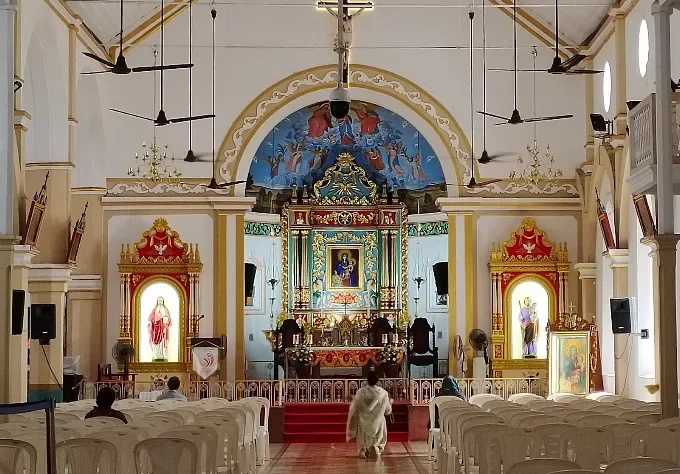
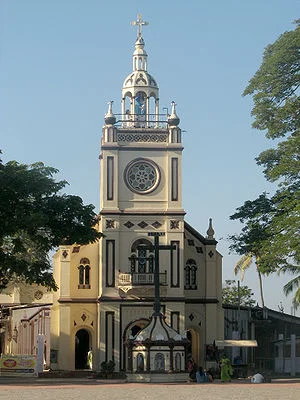
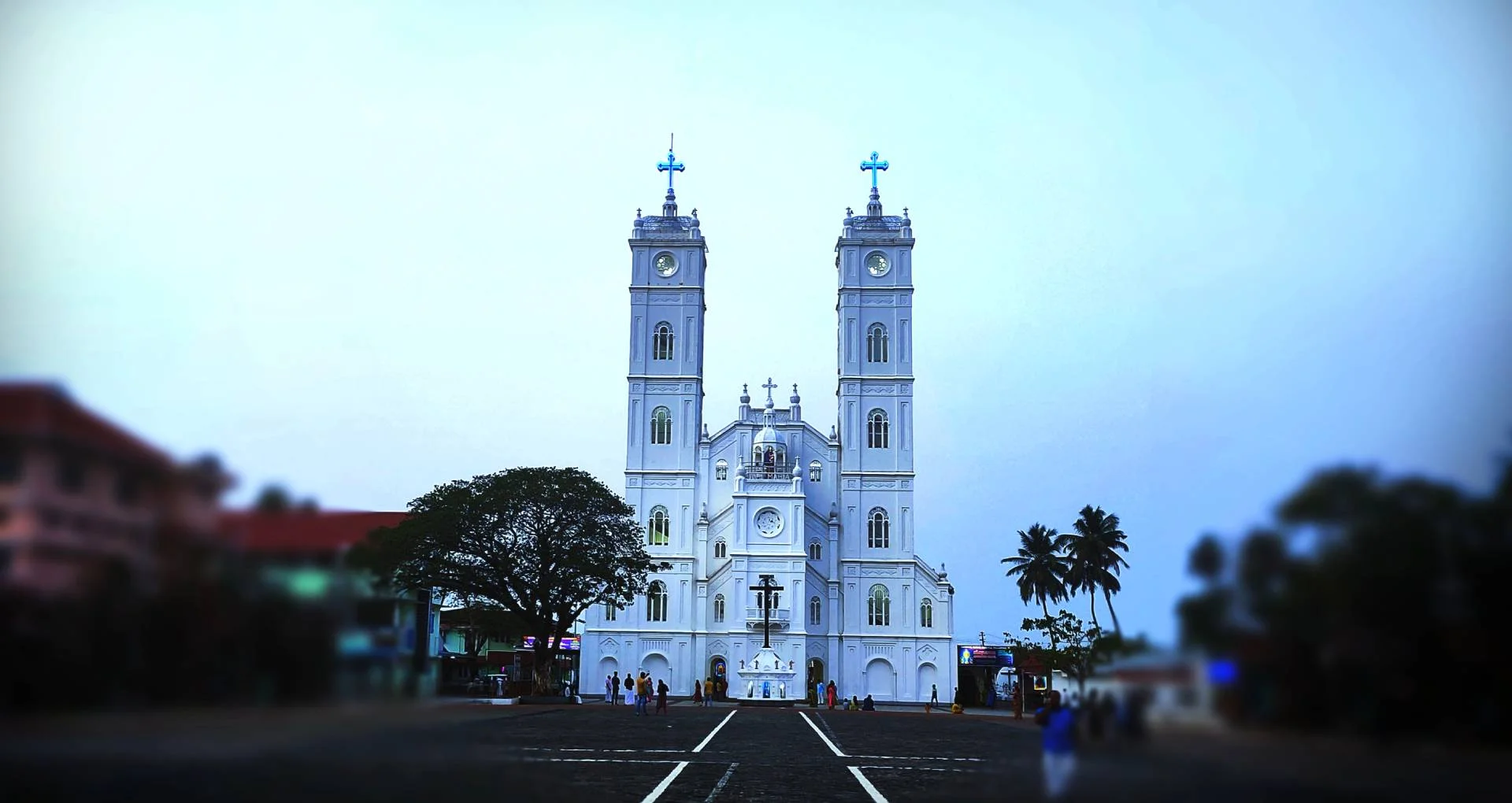
The National Shrine Basilica of Our Lady of Vallarpadam—often referred to as the "Lourdes of Kerala"—is situated on the island of Vallarpadam in the backwaters of Kochi. Under the Archdiocese of Varapoly, this pilgrimage center attracts devotees across faiths and communities seeking the intercession of the Virgin Mary, revered locally as Vallarpadathamma. Once accessible only via ferry boats across the backwaters, the island was directly linked to the mainland in 2004 following the construction of the Goshree bridges.
Portuguese Foundations and the Holy Spirit Altar (1524)
The Christian heritage of the island expanded significantly with the arrival of Portuguese missionaries at the end of the 15th century. In 1524, the Portuguese rebuilt the local church—initially established as the first church in Asia dedicated to the Holy Spirit.
On Pentecost Day in 1524, the local Christian community formally entered the Latin Rite. To commemorate the occasion, the missionaries consecrated an altar to Our Lady of Ransom, installing a sacred portrait of the Blessed Virgin Mary of Mercy brought directly from Portugal.
The Flood of 1676 and Paliyath Valiyachan A devastating flood submerged the island and destroyed the church in 1676, sweeping the sacred icon into the swollen river. Paliyath Valiyachan, the Prime Minister (Diwan) to the King of Cochin, managed to retrieve the portrait from the water and discovered that the canvas remained completely dry.
Moved by this discovery, the Diwan donated prime waterfront land to construct a new church to enshrine the portrait. He also gifted a perpetual Sanctuary Lamp (Kedavilakku), along with a continuous supply of oil from his ancestral palace to keep it burning continuously. To this day:
- A flag post in the church courtyard marks the site of the Diwan's landing.
- Descendants of the Paliath family traditionally supply oil and initiate the lighting at the Pontifical High Mass during the annual feast on September 24.
The 1752 Miracle of Meenakshi Amma On May 23, 1752, a Nair noblewoman named Meenakshi Amma and her young son, hailing from the Palliyil family of Vallarpadam, set out by boat toward their ancestral temple in Mattancherry. A severe storm capsized the vessel in deep waters. Facing certain drowning, Meenakshi Amma prayed to Vallarpadathamma, vowing that she and her son would serve as lifelong devotees (Adima, or consecrated servants) if they survived.
- The Rescue: Severe weather forced searchers to abandon rescue operations for two days. Following recurring dreams directing him to the submerged boat, the parish vicar, Rev. Fr. Miguel Correa, instructed local fishermen to cast their nets on the third day. Both mother and son were drawn out alive and unharmed.
- The Vow and Legacy: The pair dedicated the rest of their lives to the sanctuary, sweeping the church floors daily as a gesture of thanksgiving. Both received baptism, adopting the names Mary and Yesudas.
- The Iconography: With ecclesiastical approval, a local artist painted the likeness of Meenakshi Amma and her son at the foot of the Virgin Mary on the original Portuguese portrait.
Living Traditions Centuries later, the miracle continues to shape the unique interfaith traditions of the shrine:
- Adima Dedication: Parents of diverse faiths bring newborns to the shrine to dedicate them as Adima (servants of the Mother).
- Sweeping the Courtyard: Pilgrims sweep the basilica floor and courtyards with brooms as a physical token of gratitude and humility.
- Sambharam Offering: Descendants of the Palliyil lineage continue the tradition of distributing spiced buttermilk (sambharam) from wooden boats to pilgrims during the annual feast.
"Through generations of unwavering devotion and community fellowship, our parish stands as a beacon of faith dedicated to the Blessed Virgin Mary."