Rooted in Faith
Built on Devotion

Fr. Thomas (Joshy) Kalapparambath
Ernakulam/angamally
Visit the ancient St. Mary's Church Kudavechoor (AD 1599). Discover the miraculous Kudavechoor Muthi icon, Palliveettil Chandy Metran seat, and Mass timings.
Overview
Legends of the Miraculous Portrait of Kudavechoor MuthiSeveral legends surround the sacred portrait of Kudavechoor Muthi (Our Lady of Kudavechoor).According to one account, a miraculous, self-manifested portrait brought from Portugal was originally installed at Kudavechoor Church. During the military invasion of Tipu Sultan, anticipating an imminent attack on the church, the holy icon of the Blessed Mother was transported via the backwaters to the Edakochi Church within the Kingdom of Cochin for temporary safekeeping.After the invaders retreated, when the faithful of Kudavechoor requested the return of the miraculous portrait, the parishioners of Edakochi refused to hand it back. Feeling betrayed, the devotees of Kudavechoor—aided by able-bodied men from the local Dheevara (fisherman) community—embarked on fast racing boats (Odi Vallams) to Edakochi Church and daringly reclaimed the holy icon.When the people of Edakochi pursued them across the Vembanad backwaters, an unexpected storm arose. The tempest forced the pursuers to turn back, while miraculously propelling the boats from Kudavechoor swiftly toward the church landing dock. In gratitude, the chieftain of the Dheevara community made a solemn vow to observe a period of fasting and provide the ceremonial flag rope for the church's annual feast. Until a permanent flagpole structure was established at the parish, his descendants faithfully brought the flag rope in ceremonial procession every year.Another legend states that having learned of the unique spiritual power and miraculous nature of the portrait, people from Edakochi stole the icon from the church and fled. Instantly, the church bells began to toll on their own, drawing the local townsfolk together. The parishioners pursued the thieves, engaged in a conflict on the backwaters, successfully retrieved the sacred portrait, and restored it with reverence inside the sanctuary.Antiquity & Historical HeritageSynod of Diamper (AD 1599): Historical records attest that representatives from Kudavechoor Church participated in the historic Synod of Diamper in AD 1599, proving that Kudavechoor held a position of prominence among the ancient parishes of Kerala.Seat of the First Indigenous Bishop: Kudavechoor holds the rare distinction of having served as the headquarters for Mar Alexander de Campo (Palliveettil Chandy Methran), the first native indigenous bishop of India.Architectural Highlights & RelicsThe Main Altar: The main sanctuary (Madbaha) enshrining the miraculous portrait of Our Lady is crafted in classic Persian architectural style, flanked by two smaller side altars.Ancient Pulpit: Long before the invention of modern electronic sound systems, priests delivered sermons standing in the midst of the congregation. An intricately carved wooden pulpit remains preserved in the central nave of the church to this day.The Belfry (Bell Tower): Completed in 1909, the elegant belfry houses three melodious church bells imported directly from France.The Granite Cross: Situated on the western side of the church premises, this monumental open-air stone cross carved from two massive granite blocks was erected in 1808. Its legacy is commemorated in historic devotional hymns, as documented in the 1910 book published by Puthenpurackal Uthuppu Lukose at the Malayala Manorama Press.
Legends of the Miraculous Portrait of Kudavechoor Muthi
Several legends surround the sacred portrait of Kudavechoor Muthi (Our Lady of Kudavechoor).
According to one account, a miraculous, self-manifested portrait brought from Portugal was originally installed at Kudavechoor Church. During the military invasion of Tipu Sultan, anticipating an imminent attack on the church, the holy icon of the Blessed Mother was transported via the backwaters to the Edakochi Church within the Kingdom of Cochin for temporary safekeeping.
After the invaders retreated, when the faithful of Kudavechoor requested the return of the miraculous portrait, the parishioners of Edakochi refused to hand it back. Feeling betrayed, the devotees of Kudavechoor—aided by able-bodied men from the local Dheevara (fisherman) community—embarked on fast racing boats (Odi Vallams) to Edakochi Church and daringly reclaimed the holy icon.
When the people of Edakochi pursued them across the Vembanad backwaters, an unexpected storm arose. The tempest forced the pursuers to turn back, while miraculously propelling the boats from Kudavechoor swiftly toward the church landing dock. In gratitude, the chieftain of the Dheevara community made a solemn vow to observe a period of fasting and provide the ceremonial flag rope for the church's annual feast. Until a permanent flagpole structure was established at the parish, his descendants faithfully brought the flag rope in ceremonial procession every year.
Another legend states that having learned of the unique spiritual power and miraculous nature of the portrait, people from Edakochi stole the icon from the church and fled. Instantly, the church bells began to toll on their own, drawing the local townsfolk together. The parishioners pursued the thieves, engaged in a conflict on the backwaters, successfully retrieved the sacred portrait, and restored it with reverence inside the sanctuary.
Antiquity & Historical Heritage
- Synod of Diamper (AD 1599): Historical records attest that representatives from Kudavechoor Church participated in the historic Synod of Diamper in AD 1599, proving that Kudavechoor held a position of prominence among the ancient parishes of Kerala.
- Seat of the First Indigenous Bishop: Kudavechoor holds the rare distinction of having served as the headquarters for Mar Alexander de Campo (Palliveettil Chandy Methran), the first native indigenous bishop of India.
Architectural Highlights & Relics
- The Main Altar: The main sanctuary (Madbaha) enshrining the miraculous portrait of Our Lady is crafted in classic Persian architectural style, flanked by two smaller side altars.
- Ancient Pulpit: Long before the invention of modern electronic sound systems, priests delivered sermons standing in the midst of the congregation. An intricately carved wooden pulpit remains preserved in the central nave of the church to this day.
- The Belfry (Bell Tower): Completed in 1909, the elegant belfry houses three melodious church bells imported directly from France.
- The Granite Cross: Situated on the western side of the church premises, this monumental open-air stone cross carved from two massive granite blocks was erected in 1808. Its legacy is commemorated in historic devotional hymns, as documented in the 1910 book published by Puthenpurackal Uthuppu Lukose at the Malayala Manorama Press.
From humble beginnings, St.Marys Church Kudavechoor has stood as a steadfast sanctuary of faith, liturgical tradition, and continuous prayer.
Establishment of the first church in the name of Blessed Virgin Mary
Udayamperoor Sunahados
Kudavechoor church became part of Kodugalloor diocese.
Mar Chandi Pailveettil, the first ever native bishop of Kerala
Blessed Chavara Kuriakose
Establishment of Darsana Samooham
Blessed Chavara Kuriakose laid the foundation stone
Blessing of the present church.
Kudavechoor church came under Ernakulam vicariate.
Six storeyed bell-tower was built.
Declaration of this church as a Marian Pilgrimage Centre.
Renovation and consecration of the present church.
Anniversary celebration of 550 years.
Establishment of the first church in the name of Blessed Virgin Mary
Establishment of the first church in the name of Blessed Virgin Mary and celebrated feast on July 16.
Udayamperoor Sunahados
The Representatives of this church participated in the Udayamperoor Sunahados (synod).
Kudavechoor church became part of Kodugalloor diocese.
Kudavechoor church became part of Kodugalloor diocese.
Mar Chandi Pailveettil, the first ever native bishop of Kerala
Mar Chandi Pailveettil, the first ever native bishop of Kerala head quartered this parish and resided in this parochial building.
Blessed Chavara Kuriakose
Blessed Chavara Kuriakose was dedicated to Blessed Mary as her servant (Adima).
Establishment of Darsana Samooham
Establishment of Darsana Samooham The main feast is celebrated on the birthday of Mother Mary on Sept. 8.
Blessed Chavara Kuriakose laid the foundation stone
Blessed Chavara Kuriakose laid the foundation stone of the present church, which is the fourth one.
Blessing of the present church.
Blessing of the present church.
Kudavechoor church came under Ernakulam vicariate.
Kudavechoor church came under Ernakulam vicariate.
Six storeyed bell-tower was built.
Six storeyed bell-tower was built. Three bells which sound musically brought from France were installed.
Declaration of this church as a Marian Pilgrimage Centre.
Declaration of this church as a Marian Pilgrimage Centre.
Renovation and consecration of the present church.
Renovation and consecration of the present church.
Anniversary celebration of 550 years.
Anniversary celebration of 550 years.
Together
in His Presence
വിശുദ്ധ കുർബാനയുടെ സമയങ്ങൾ
COME • PRAY • BE BLESSED
SUNDAY
5:45 A.M, 7:00 A.M,
9:30 A.M, 3:30 P.M
MONDAY – FRIDAY
6:00 A.M, 7:00 A.M
SATURDAY
6:00 A.M, 7:00 A.M, 5:30 P.M
Come to Me, all you who are weary, and I will give you rest.
MATTHEW 11:28Pastoral Leadership
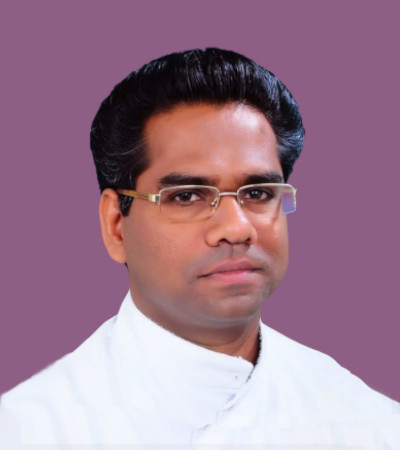
Fr. Thomas (Joshy) Kalapparambath
Head Vicar
Fr Jibin Shaji Kalemalayil OFM Cap
Assistant Vicar
St.Marys Church Kudavechoor Parish Gallery & Streams
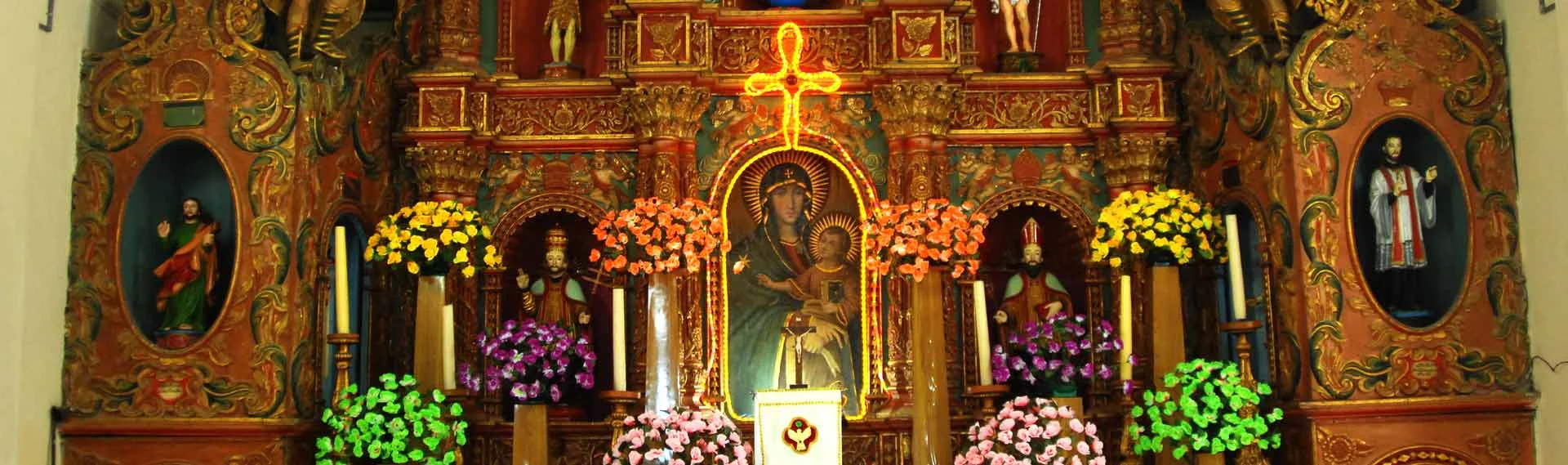
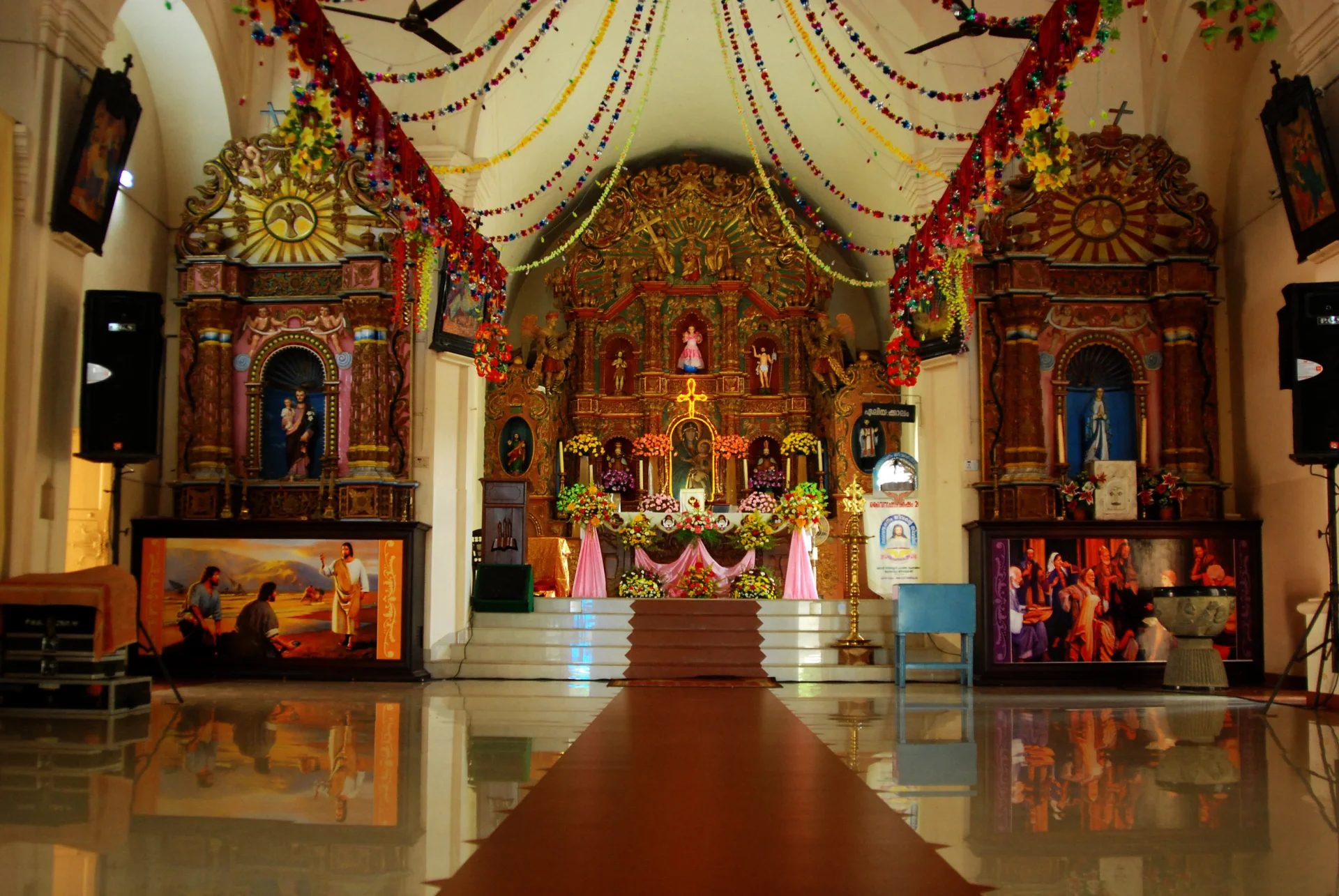
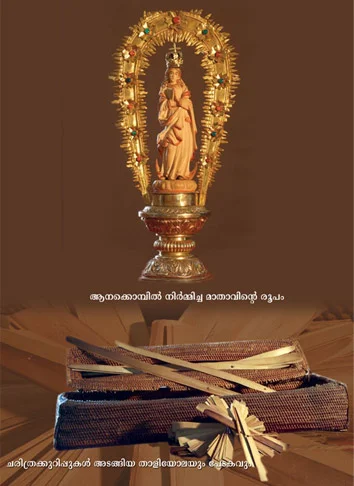
Offer Your Intentions at the Altar
Every prayer request submitted here is reverently placed before Our Lady and remembered during the Holy Eucharistic sacrifice celebrated at our church.
Your intention has been received.
It will be reverently remembered during daily liturgical devotions at St.Marys Church Kudavechoor.
Visit Church
Parish Address St.Marys Church Kudavechoor, Ambika Market, Kudavechoor, India
Telephone +91 8921731109